
When preparing to sell your home, it’s tempting to assume you need major renovations to attract buyers. In reality, the most effective pre-sale improvements are often simple, affordable

Dated: December 11 2025
Views: 83
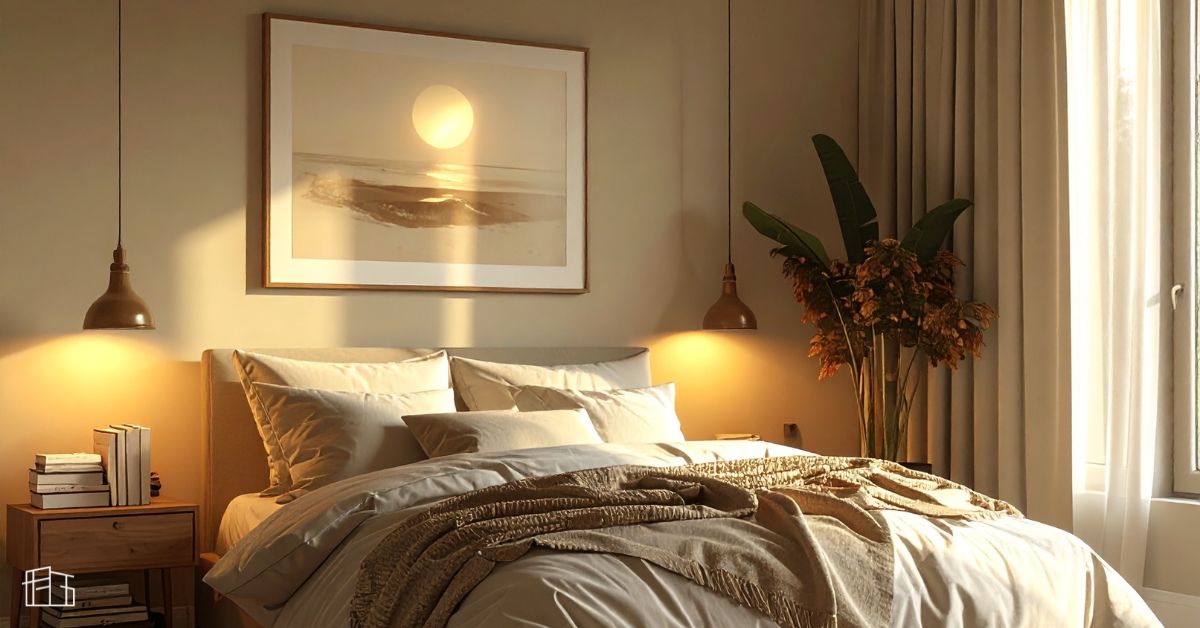
After years of design focused on minimalism and cool greys, 2026 seems poised to bring a more human, grounded, and expressive approach to interiors. The shift reflects how many of us are spending more time at home, valuing comfort, emotional resonance, and authenticity over sterile perfection. Design is becoming less about glossy showrooms and more about creating spaces that feel lived-in, welcoming, and expressive of personal stories.
Expect to see homes designed to be adaptive, tactile, full of texture, and tailored to real life — not just staged perfection. (www.livehome3d.com)
One of the major moves in 2026 is away from stark whites and cool minimal palettes, toward warmer, more inviting colours. Some standouts:
Earthy, grounding neutrals — think soft creams, warm taupes, mushroom greys, and warm ivory — as base-wall or whole-room canvases. (Parade)
Nature-inspired tones — olive and deep greens, terracottas, mossy hues and earthy browns are popular for cabinetry, accent pieces, or even full rooms. (Homes and Gardens)
Bold, saturated accents — rich plums, deep ochres, smoky teals, and soft yet moody reds will appear as statement walls, textiles, or accent furniture. (Homes and Gardens)
All-over color drenching — painting walls, moldings, ceilings (and sometimes millwork) in the same tone to create immersive, cocoon-like spaces. (Parade)
What this means: 2026 interiors won’t shy away from colour — but the emphasis is on depth, warmth, and atmosphere, not loudness for its own sake.
Gone (mostly) are the rigid lines and industrial edges. Instead:
Curved, soft-edged furniture and architectural forms — rounded sofas, arched doorways or window frames, and furniture with fluid silhouettes bring a sense of calm and softness. (Star Furniture)
Plush, oversized “fat” seating — think inviting armchairs, deep couches or lounge chairs designed for lingering, not just sitting. These pieces double as statement pieces while prioritizing comfort. (Pfeiffer Design)
Multifunctional and flexible furniture/layouts — as our lives become more hybrid (work, rest, play under one roof), interiors are adapting. Expect furniture that works for multiple uses, and rooms that can shift between office, lounge, or creative space. (Star Furniture)
The overall effect: a home designed around how you live, not how “Instagram-ready” it looks.
Texture — not just color or form — is emerging as a design hero for 2026. Key directions:
Natural materials: wood (walnut, oak), stone, rattan, woven fibers and other organic materials bring warmth and authenticity. (Parade)
Artisan finishes and imperfect surfaces: hand-painted tiles, materials with patina, slightly irregular weave or grain, and subtle flaws are embraced to show craftsmanship and character. (Vogue)
Elevated natural stone: countertops, backsplashes, or accent walls in marble or quartzite with soft veining — not stark, uniform slabs — to keep it luxurious but grounded. (Houzz Pro)
Statement floors and ceilings: Expect bold rugs, patterned or graphic tiles, artistic ceiling treatments or sculptural lighting overhead — using these “non-walls” as canvases for creativity. (Pfeiffer Design)
Together, these add sensory richness to a home — not just how it looks, but how it feels underfoot, under lighting, and as you move through the space.
The way we live has changed — and 2026 homes seem tailored to that shift. Some of the major layout/lifestyle tendencies:
Multifunctional and adaptive spaces — living rooms that double as offices, dining areas that morph into craft zones, bedrooms that feel like retreats. Furniture and layout are planned with flexibility in mind. (www.livehome3d.com)
Built-ins and integrated storage/furniture walls — built-in cabinetry, shelving, or multifunctional walls help keep spaces clean and adaptable. (Forbes)
Mindful lighting and fixtures — lighting isn’t just about illumination; it’s mood, ambiance, and accent. Woven-fiber pendants, soft glowing lamps, fixtures as sculptural elements. (Forbes)
Rooms that invite presence — design choices that encourage slowing down: cozy nooks, reading corners, texture-rich surroundings, calming palettes.
In short: homes optimized not for maximal resale value or showroom perfection — but for how people actually live, rest, create, and reconnect.
Interestingly, 2026 isn’t just about one look — it’s about blending styles to reflect individuality. Some of the aesthetic crossovers to watch:
Soft-modern with natural warmth: clean lines, combined with wood, organic textures, and warm neutrals — a balance between simplicity and coziness.
Nostalgic / vintage-inspired touches: earthy color palettes, handcrafted pieces, and materials that age gracefully create a lived-in, timeless feel.
Sculptural + functional: furniture and décor that feel like art but serve everyday needs — blending beauty and usability.
Personal, eclectic touches: mixing handcrafted items, layered textures, deep colors, and evocative materials to give spaces personality and soul.
Instead of a rigid “style,” 2026 design seems to lean toward curated homes that tell a story — yours.
Consider replacing stark white walls with warm neutrals or earth tones — even painting trim, moldings, or ceilings in the same hue for cohesive ambiance.
Add at least one sculptural or plush furniture piece (e.g., a rounded sofa or a tub chair) to inject personality and comfort.
Embrace natural materials and craft — wood furniture, stone surfaces, woven textures, handmade décor — even if they’re imperfect.
Think about flexibility: build storage, use multipurpose furniture, or design for shifting needs (work, rest, hobbies).
Don’t be afraid of mixing styles — minimalism, rustic warmth, vintage charm, and modern touches can coexist beautifully if balanced thoughtfully.

Melissa specializes in residential real estate transactions in the Greater Toronto Area. She is passionate about providing white glove service at the highest level for her new and existing clients, an....
When preparing to sell your home, it’s tempting to assume you need major renovations to attract buyers. In reality, the most effective pre-sale improvements are often simple, affordable
Buying your first home is exciting, but most advice online repeats the same points: save for a down payment, get pre-approved, and find a good agent. While those things matter, there are several
For many homeowners, deciding to move isn’t just about the market, it’s about whether your home still fits your life. A house that once felt perfect can slowly start to feel limiting as
In today’s real estate market, first impressions aren’t made at the front door, they’re made online. With nearly every buyer beginning their search on the internet, how your home
 Toronto Real Estate Board (TRREB); All information deemed reliable but not guaranteed. All properties are subject to prior sale, change or withdrawal. Neither listing broker(s) or information provider(s) shall be responsible for any typographical errors, misinformation, misprints and shall be held totally harmless. Listing(s) information is provided for consumer's personal, non-commercial use and may not be used for any purpose other than to identify prospective properties consumers may be interested
in purchasing. The data relating to real estate for sale on this website comes in part from the Internet Data Exchange program of the Multiple Listing Service. Real estate listings held by brokerage firms other than Griffiths Group may be marked with the Internet Data Exchange logo and detailed information about those properties will include the name of the listing broker(s) when required by the MLS. Copyright ©2026 All rights reserved.
Last Updated: September 22, 2026 2:31 AM UTC
Show More...
Toronto Real Estate Board (TRREB); All information deemed reliable but not guaranteed. All properties are subject to prior sale, change or withdrawal. Neither listing broker(s) or information provider(s) shall be responsible for any typographical errors, misinformation, misprints and shall be held totally harmless. Listing(s) information is provided for consumer's personal, non-commercial use and may not be used for any purpose other than to identify prospective properties consumers may be interested
in purchasing. The data relating to real estate for sale on this website comes in part from the Internet Data Exchange program of the Multiple Listing Service. Real estate listings held by brokerage firms other than Griffiths Group may be marked with the Internet Data Exchange logo and detailed information about those properties will include the name of the listing broker(s) when required by the MLS. Copyright ©2026 All rights reserved.
Last Updated: September 22, 2026 2:31 AM UTC
Show More...

The listing data displayed is deemed reliable but is not guaranteed accurate by CREA®. Data last updated on September 22, 2026 2:59 AM UTC The trademarks REALTOR®, REALTORS®; and the REALTOR® logo are controlled by The Canadian Real Estate Association (CREA®) and identify real estate professionals who are members of CREA®. Used under license. The trademarks MLS®, Multiple Listing Service® and the associated logos are owned by The Canadian Real Estate Association (CREA®) and identify the quality of services provided by real estate professionals who are members of CREA®. Used under license.
Show More...
 All information deemed reliable but not guaranteed. All properties are subject to prior sale, change or withdrawal. Neither listing broker(s) or information provider(s) shall be responsible for any typographical errors, misinformation, misprints and shall be held totally harmless. Listing(s) information is provided for consumer's personal, non-commercial use and may not be used for any purpose other than to identify prospective properties consumers may be interested in purchasing. The data relating
to real estate for sale on this website comes in part from the Internet Data Exchange program of the Multiple Listing Service. Real estate listings held by brokerage firms other than Griffiths Group may be marked with the Internet Data Exchange logo and detailed information about those properties will include the name of the listing broker(s) when required by the MLS. Copyright ©2026 All rights reserved.
Last Updated: September 21, 2026 2:19 PM UTC
Show More...
All information deemed reliable but not guaranteed. All properties are subject to prior sale, change or withdrawal. Neither listing broker(s) or information provider(s) shall be responsible for any typographical errors, misinformation, misprints and shall be held totally harmless. Listing(s) information is provided for consumer's personal, non-commercial use and may not be used for any purpose other than to identify prospective properties consumers may be interested in purchasing. The data relating
to real estate for sale on this website comes in part from the Internet Data Exchange program of the Multiple Listing Service. Real estate listings held by brokerage firms other than Griffiths Group may be marked with the Internet Data Exchange logo and detailed information about those properties will include the name of the listing broker(s) when required by the MLS. Copyright ©2026 All rights reserved.
Last Updated: September 21, 2026 2:19 PM UTC
Show More...